I will never forget 2020, when the Renegade dance took over social media. While billions of people around the world were stuck inside their homes during the pandemic, everyone was searching for ways to cope. Some people posted every aspect of their lives on social media, while others even stacked milk crates for some quite odd reason.
Nonetheless, it felt like people everywhere simply wanted to create memories and have fun while a global pandemic permanently changed how they viewed the world. The Renegade dance was created by Black creator Jalaiah Harmon, yet millions of people gave credit to a white creator who would soon become the most-followed person on TikTok. I bet that if you look up this dance challenge today, you will still find videos crediting someone who did not create the dance but simply performed it and received most of the recognition. Meanwhile, the original creator received her flowers a little too late.
I will never forget that it took a viral article from a major media platform for people to realize that Harmon was the true creator of the Renegade dance. This experience opened my eyes to how Black creators are often mistreated and have their ideas stolen, while the faces of various trends simply set up their phones and make millions, leaving the original creators underappreciated or entirely forgotten.
Another situation I remember occurred in 2022. I was speaking with someone I knew who worked closely with some of the biggest brands in the world, brands that many people only dream of working with. I will never forget when she told me that she was paid less than her white creator counterpart for the exact same campaign. Think about that: the same amount of work, the same deliverables, and the same platforms, yet one creator was paid more because of the color of their skin. It was heartbreaking. The two creators had an honest discussion about their compensation, and the Black creator was reminded of the pay disparities that continue to exist due to various factors, especially race in this country.
Maybe I am too woke, but this reminded me of the countless Black men and women throughout history whose ideas were stolen while others became the face of their innovations. Although these situations are different, why does this keep happening? Historically, Black people were prevented from succeeding in various industries and even had their ideas and contributions taken from them. Figures such as Lewis Latimer and Henrietta Lacks remind us of this painful reality.
Even with the song Whim Whammie by Pluto and YK Niece, there was a viral lyric that placed Lululemon at the center of culture and music in 2025. With some items from the athletic wear brand costing around $100 or more, people wondered why the company did not reach out to the rappers for a collaboration. The brand did not even post a funny video to the song or publicly engage with the cultural moment. People expected much more from a brand that profits from Black consumers and Black culture. Although the company has existed for more than two decades, one could argue that it missed a major opportunity.
No one should expect a brand partnership simply because of a shoutout, but I also understand why people were disappointed. So many young Black girls rushed to Lululemon stores wearing the brand’s iconic jackets because of one song. Others have argued that Black people should stop begging brands for collaborations and instead invest in brands that genuinely cater to and value all of their consumers.
Time and time again, I have watched Black creators have their style, creativity, and ideas appropriated, a pattern reminiscent of history dating back centuries. If we are being honest, there is no social media without Black talent, Black creators, and even one hit wonders. With this cycle continuing day after day, what can we do?
There needs to be a platform where Black creators have access to mentorship, community, and capital. Some brands claim to support Black history and culture, yet barely acknowledge Black people during Black History Month while quickly celebrating other communities. That inconsistency is very telling. As a creator, I have personally witnessed brands celebrate Black History Month until around 2023, likely because of the momentum surrounding the Black Lives Matter movement, only to quietly step away from their support afterward.
In an era where being Black in America can feel exhausting, where our people are targeted because of the color of our skin, the way we dress, and the way we express ourselves, people are constantly watching our culture while simultaneously refusing to let us live in our glory. This is exactly why I created my event series, Infinite Shades of Black.
Dedicated to uniting Black creators across the diaspora, I decided to take matters into my own hands. Rather than simply complaining about Black creators not receiving fair pay or being excluded from opportunities with brands that elevate other communities, Infinite Shades of Black is committed to bridging the gap among Black creators through a series of events planned for 2026 and beyond.
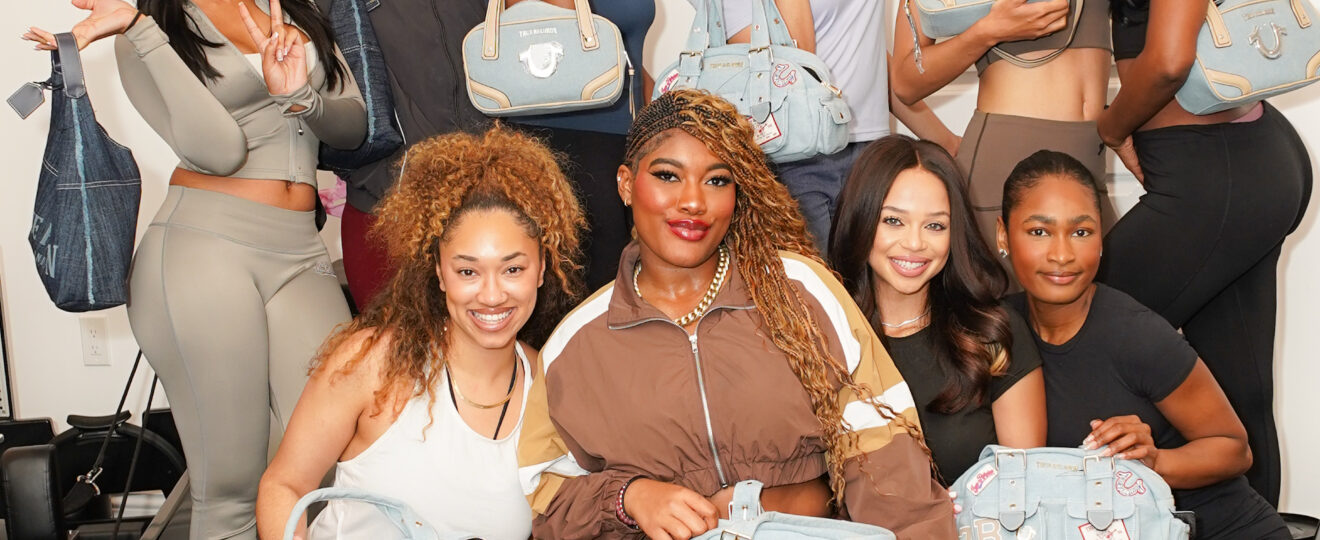
While Black creatives are often celebrated for only one month out of the year, Infinite Shades of Black honors the innovators who shape culture every single day. I am proud to say that Infinite Shades of Black has already hosted two events this year: Hip-Hop and Pilates and R&B and Pilates.
As a Black creator who believes in unity and advocates for creators receiving their fair share of resources and compensation, I know it is time for change. There is no more time to sit around and wait for it to happen. I am taking matters into my own hands and building one of the biggest platforms for Black creators, one centered on events, mentorship, community, and, soon, capital.