In a world where many people are one paycheck away from homelessness, another crisis is unfolding: rising hair prices are forcing Black women to choose between beauty and learning how to do their own hair. We have to question why this shift is happening.
Beauty is an outlet for women, especially Black women, to find escapism from the current state of the world. Everyone knows that getting your hair done can make you feel like you’re on top of the world. After a hair appointment, many women suddenly want to run errands, take photos, and show off their new hairstyle and confidence. Everytime I get a hairstyle, I post on my Instagram story to showcase my new hairdo. Hair appointments are also tied to special occasions such as birthdays, graduations, vacations, and concerts. But now, there’s a barrier standing between Black women and that sense of escapism: the modern rise of hair costs in America.
Throughout this decade, I’ve seen countless Black women on social media express frustration over the increasing prices of hairstyles. To be fair, the pandemic and the current political and economic climate have impacted the cost of nearly everything in America. But still, why are silk presses starting to cost the same as weaves? Why are quick weaves now priced like sew-ins, while sew-ins cost as much as monthly car payments? A weave ponytail can cost close to $300, while customers are still expected to bring their own hair and arrive with their hair already blow-dried. The worst part about this is that unlicensed hairstylists are charging these outrageous prices. I do want to emphasize that this post is regarding unlicensed hairstylists opposed to licensed hairstylists.
So the question becomes: is this robbery, or is it hairstylists finally knowing their worth?
I absolutely believe hairstylists deserve fair pay. No stylist should spend hours doing braids only to be paid less than $200. On the other hand, there are valid concerns within this conversation as well. Many hairstylists are unlicensed yet charge prices comparable to celebrity stylists. Just because Arrogant Tae charges thousands to install a wig does not mean every stylist has the same tools, materials, experience, or skill set to justify those prices.
Social media has also created an environment where people feel pressured to charge what everyone else charges.
Location also matters. A hairstylist in Los Angeles or New York City will naturally charge more than someone in Arkansas or North Carolina. The cost of living, salon rent, transportation, and product expenses all play a role in pricing.
Still, it’s painful to watch Black women become priced out of salons. For decades, Black women faced discrimination for wearing their natural hair in professional settings and often felt pressured to straighten or chemically alter their hair to fit corporate beauty standards. Times have changed, and women now embrace protective styles, braids, quick weaves, and wigs with pride. Yet now another battle has emerged: the increasing cost of maintaining those styles.
I’ll never forget spending nearly $200 on a ponytail for my graduation. It was a simple style that used one bundle of hair, and I still had to purchase the hair myself. The hairstyle didn’t even last more than a week. After paying a deposit on top of everything else, the experience honestly made me want to learn how to do my own hair.
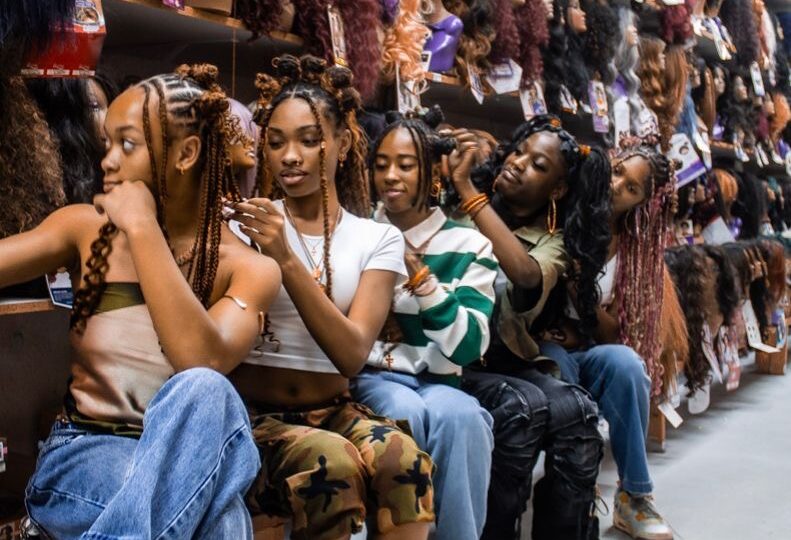
When I went on TikTok, I realized many other Black women felt the same way. Women weren’t necessarily upset about paying for quality — they were frustrated because the quality often didn’t match the price. Box braids were looking a month old within 24 hours. Hairstyles were rushed, uneven, or simply didn’t last. That’s why I push back when people claim Black women “don’t tip.” At times, that statement feels rooted in stereotypes rather than reality. I know many Black women who tip generously, especially when the service reflects the price they paid.
When women want to wear a new hairstyle for a job, event, or special outing, they deserve quality work that makes them feel confident. If the results don’t match the cost, more women will either learn to do their own hair or search for another stylist.
I recently posted on Threads that Black women are being overcharged by modern hairstylists, and I wasn’t expecting the amount of backlash I received. Some people told me to stop complaining because women of other races spend more on their hair. Others implied that Black women don’t tip while women of other races do, which I found both strange and unfair. I also received comments from hairstylists explaining why they need to charge more.
Another response I constantly hear is: “Why don’t you just do your own hair?”
That question ignores the reality of many women’s lives. Some women are mothers who barely have a moment to themselves. Others work ten-hour shifts and are too exhausted to spend hours styling their hair afterward. Black women should still be able to pay for quality hair services without feeling financially drained or leaving disappointed with rushed work.
The conversation surrounding hairstylists wanting higher pay and customers expressing frustration is complicated. Whenever someone speaks up about pricing, backlash often follows instead of genuine understanding from both sides. At some point, hairstylists should understand where their customers are coming from, and customers should also acknowledge the realities hairstylists face. Paying salon rent, purchasing products, and standing for hours to complete hairstyles is not easy work. At the same time, customers deserve professionalism, quality, and styles that reflect the price they’re paying.